The Complete Guide to Virtual Assistants in 2025: Transforming the Modern Workforce

Introduction: The Rise of Remote Expertise
A major shift has taken place across industries. Businesses are moving from traditional office staffing to global, flexible teams built around virtual support.
In 2025, virtual assistants will no longer simply be task handlers; they will be skilled professionals embedded into everyday business operations. Companies now rely on remote assistants for scheduling, billing, project coordination, research, and even process automation.
This guide explains what virtual assistants do today, how they add measurable value, what trends define the industry, and how to choose a provider that delivers trust, compliance, and long-term results.
What Is a Virtual Assistant?
A virtual assistant is a trained remote professional who supports a business by managing administrative, technical, or creative tasks. Unlike traditional employees, they work remotely while integrating directly into the client’s communication tools and systems.
The modern virtual assistant industry has evolved beyond basic secretarial work. Today’s assistants bring specialized expertise and domain awareness, operating like distributed team members, not contractors.
Typical responsibilities include:
- Managing inboxes, calendars, and scheduling
- Conducting research and preparing reports
- Handling invoices, expense tracking, and bookkeeping
- Assisting with project coordination and documentation
- Managing social media and marketing workflows
- Providing customer service and lead follow-ups
- Supporting executives through travel planning and task delegation
The best virtual assistants adapt to your systems, mirror your brand tone, and deliver consistent output under professional oversight.
Why Virtual Assistants Have Become Essential
The appeal of virtual assistants lies in their ability to give business owners time back while improving operational discipline.
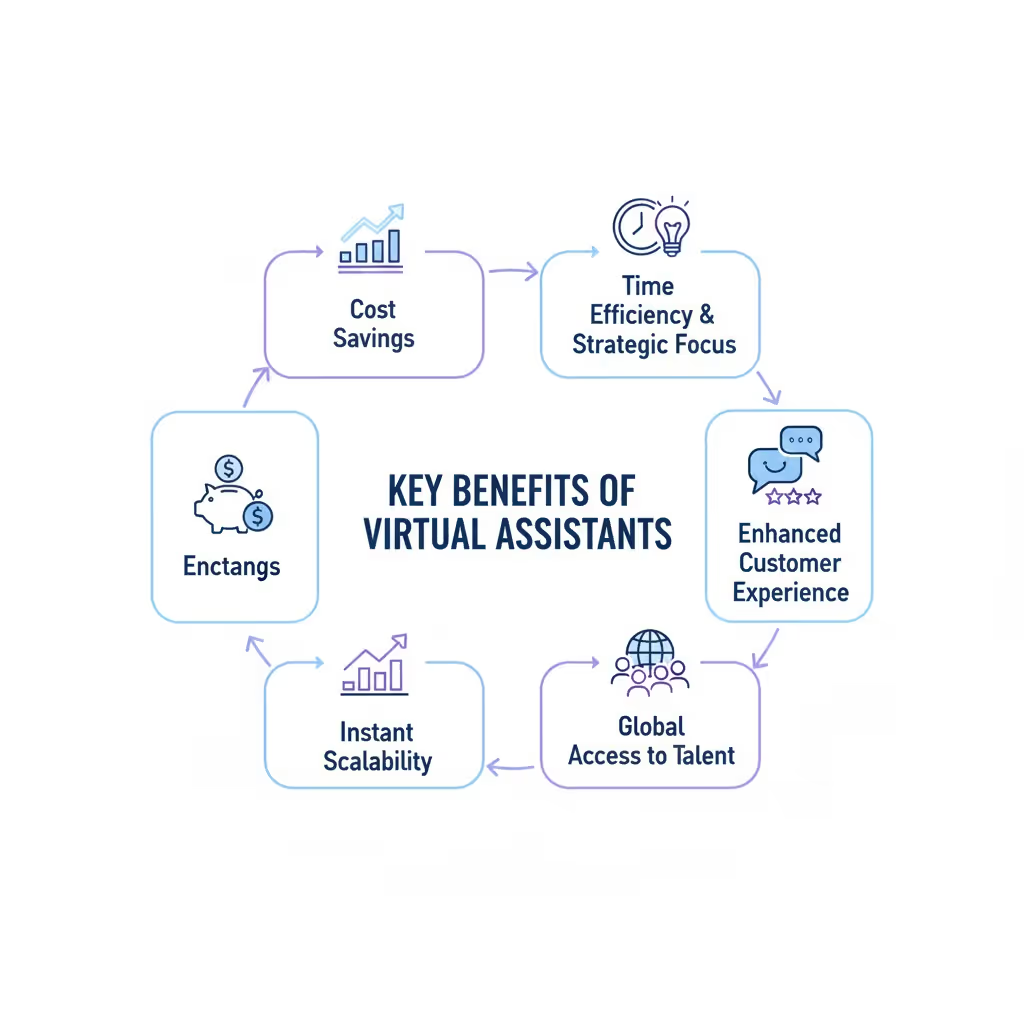
Here are the most significant benefits:
1. Time Efficiency and Strategic Focus
Delegating routine tasks allows leaders to focus on decisions that drive revenue and growth. Many small business owners recover 10–15 hours per week simply by outsourcing communication and scheduling.
2. Cost Savings Without Quality Loss
Hiring full-time, in-office staff means overhead: benefits, workspace, and equipment. A virtual assistant provides the same professional support at a fraction of the cost, often saving 50–70% on labor expenses annually.
3. Instant Scalability
A virtual assistant can be onboarded quickly, often within days. As business demand changes, it’s easy to scale support up or down, a flexibility that traditional employment structures can’t match.
4. Global Access to Talent
Virtual assistants operate across time zones, offering around-the-clock productivity. You can extend working hours or cover multiple markets without expanding office hours.
5. Enhanced Customer Experience
Better communication, faster response times, and organized record keeping all lead to stronger client satisfaction and retention. A well-managed virtual assistant directly impacts the quality of customer service.
The Evolution of Virtual Assistants
The virtual assistant model has matured significantly in the last decade. What used to be freelance-based, transactional work has evolved into managed, professionalized services that rival traditional staffing.
Three core changes define this evolution:
From Freelancers to Managed Talent Networks
Businesses increasingly turn to structured providers that recruit, train, and manage assistants internally. This ensures consistency, compliance, and reliability.
From Task Support to Strategic Partnership
Today’s virtual assistants can oversee automation tools, CRM systems, and team workflows. Many work closely with executives to create measurable productivity frameworks.
From “Low-Cost Help” to ROI-Based Staffing
The focus is no longer on cheap outsourcing but on measurable return on time and operational performance. Businesses evaluate virtual assistant success in hours reclaimed, leads supported, or administrative costs reduced.
Types of Virtual Assistants
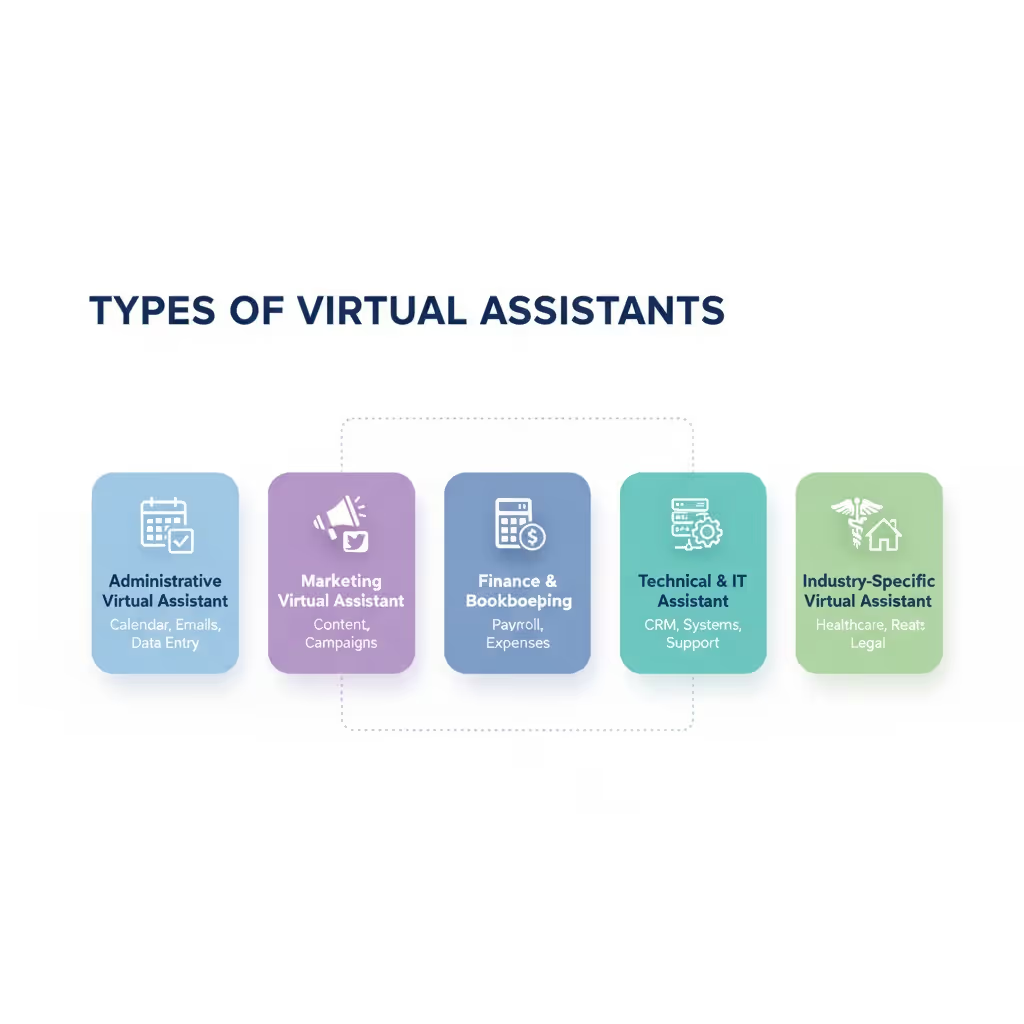
Virtual assistants specialize across a range of disciplines. Choosing the right type depends on your industry, systems, and pain points.
Administrative Virtual Assistants
Focus on calendar management, document organization, data entry, and task coordination. Ideal for executives and operations managers who need daily workflow support.
Marketing Virtual Assistants
Handle content scheduling, analytics tracking, email campaigns, and community engagement. They help maintain consistent online visibility and brand reputation.
Finance and Bookkeeping Virtual Assistants
Specialize in expense reconciliation, accounts receivable, payroll coordination, and QuickBooks or Xero data entry, providing financial clarity for decision-making.
Technical and IT Virtual Assistants
Support CRM configuration, data migration, system audits, or SaaS platform management. Often used by tech startups or SaaS companies.
Industry-Specific Virtual Assistants
Trained for niche sectors like healthcare, real estate, or legal. These professionals understand compliance, documentation, and software unique to their domain.
Emerging Trends Shaping the Virtual Assistant Industry in 2025
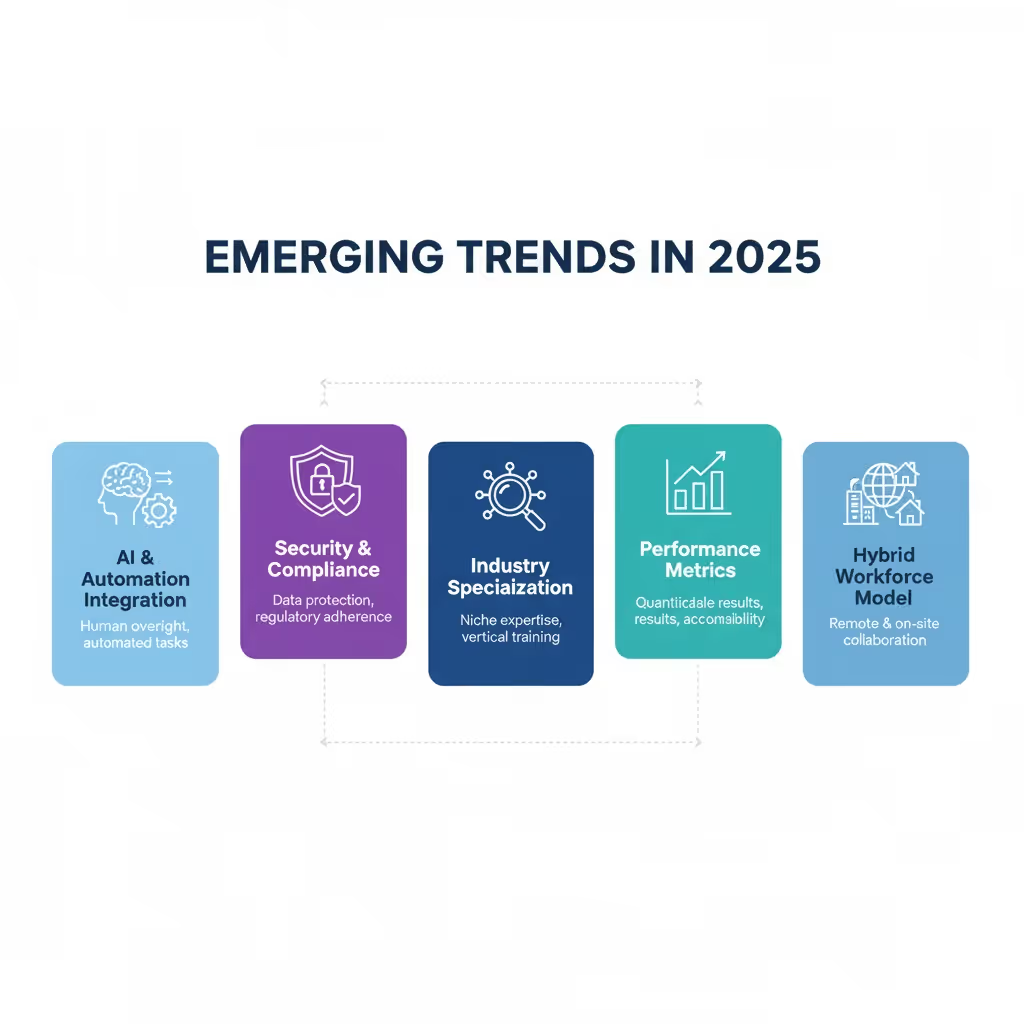
1. Integration of AI and Automation
Artificial intelligence now complements human assistants, automating repetitive steps like meeting reminders or data collection. However, human oversight ensures context and quality; the ideal model combines both.
2. Security and Compliance as Core Differentiators
With increasing data regulations such as GDPR, HIPAA, and SOC 2, clients demand secure systems, controlled access, and documented training. The best providers embed compliance at every level.
3. Industry Specialization Over Generalism
Businesses now seek virtual assistants familiar with their software stack, regulatory standards, and customer journeys. This shift favors providers who invest in vertical training.
4. Performance Metrics and Accountability
Providers have started offering dashboards tracking task completion, accuracy, and communication responsiveness, turning virtual assistance into a quantifiable service.
5. The Hybrid Workforce Model
The future is neither fully remote nor fully in-office. Virtual assistants now work alongside on-site teams, joining meetings, updating task boards, and contributing to company culture from anywhere in the world.
Choosing the Right Virtual Assistant Provider
Selecting a virtual assistant provider is a strategic business decision. Use these evaluation steps to ensure a high-quality partnership:
Define Your Goals and Deliverables
Identify the exact processes you want to delegate. Specificity helps match you with the right skill set.
Evaluate Recruitment and Training Standards
Ask how providers source, vet, and train their assistants. Continuous education is essential for long-term reliability.
Verify Compliance and Security
Request documentation on data protection measures, system encryption, and privacy protocols. Compliance must be non-negotiable.
Check Integration and Communication Tools
Ensure the provider can work within your preferred platforms (Slack, Asana, HubSpot, etc.) and maintains clear daily communication.
Start with a Pilot Program
Run a short-term trial to validate process alignment, task quality, and reliability before scaling engagement.
Reputable providers like Berry Virtual combine these elements with structured onboarding, performance tracking, and specialized training to ensure consistency, confidentiality, and long-term partnership success.
Understanding Virtual Assistant Costs in 2025
Costs depend on region, specialization, and service structure. In 2025, most businesses pay between $10 and $35 per hour for professional support.
- Entry-Level Administrative Support: $10–$18/hour
- Specialized Roles (Finance, Marketing, Legal): $20–$35/hour
- High-Compliance or Executive Support: $30–$45/hour
While price is a factor, the true metric is cost per outcome, which measures how much time, money, or capacity your assistant saves. A well-trained assistant who delivers consistent, error-free performance will always yield a higher return than the lowest-cost option.

Conclusion: The Future Is Virtual and It’s Here
The shift toward virtual staffing isn’t temporary; it’s the foundation of agile business operations in 2025 and beyond. Whether you manage a startup or an enterprise, the right virtual assistant transforms your organization's work.
With Berry Virtual, you gain more than assistance; you gain a dedicated partner committed to productivity, precision, and performance. Every task completed brings you closer to efficiency that lasts.
Frequently Asked Questions
1. What tasks can a virtual assistant handle?
A virtual assistant can manage everything from scheduling and billing to client follow-ups and reporting. Providers like Berry Virtual train assistants to integrate seamlessly into your operations, ensuring tasks are completed accurately and on time.
2. How secure is it to work with a virtual assistant?
Security depends on the provider’s infrastructure. Berry Virtual enforces encrypted systems, controlled access, and compliance-ready data handling, ensuring every client’s confidential information is protected across platforms.
3. Should I hire a freelance virtual assistant or a managed provider?
Freelancers offer flexibility but require direct supervision. Managed providers like Berry Virtual handle training, oversight, and quality control for consistent, long-term results, ideal for businesses that value reliability and compliance.
4. How long does it take to onboard a virtual assistant?
The onboarding process typically takes between five and ten business days. Berry Virtual follows a structured shadowing and alignment phase to ensure assistants understand your systems, tone, and workflows before taking on live tasks.
5. Why are virtual assistants critical for modern businesses?
Because they enable scalable growth without increasing overhead, a skilled virtual assistant enhances productivity, improves responsiveness, and helps business leaders focus on strategy, turning operational stress into structured efficiency. Berry Virtual helps make that transformation seamless.
Your Guide To Common Questions & Solutions